
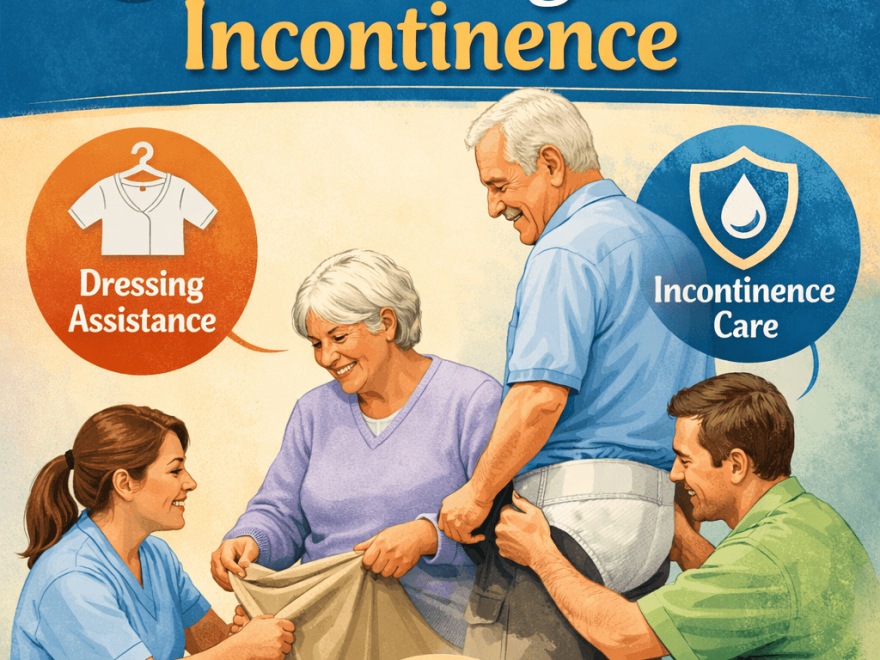
Helping a senior get dressed or manage incontinence is an emotional journey for both of you. From preserving dignity to easing daily struggles, the right support can make everything feel lighter. This guide breaks down simple, compassionate ways caregivers can boost confidence, reduce stigma, and make everyday care more comfortable and empowering.
Understand the emotional impact of Incontinence
Incontinence can deeply impact a senior’s sense of dignity and independence. Many feel embarrassed, frustrated, or anxious about managing these challenges. It’s not just the physical discomfort, but the emotional strain that comes with it.
Dressing difficulties can further lower self-esteem, making it harder for seniors to feel confident in daily activities. The right medical incontinence supplies can help ease these struggles, but emotional support is equally crucial. By acknowledging their feelings and offering reassurance, caregivers can make a huge difference in preserving their loved ones’ dignity and emotional well-being.
The role of caregivers in providing emotional support
Caregivers play a vital role in reducing the emotional impact of incontinence and dressing challenges. By offering empathy and understanding, caregivers help seniors feel supported rather than embarrassed.
It’s important to maintain dignity and a non-judgmental attitude when assisting with dressing aids for seniors, ensuring that seniors don’t feel ashamed or uncomfortable. Active listening and creating a safe, open space for conversations can help reassure seniors that their struggles are normal and manageable.
Reassure them that these challenges are common, and with the right support, they can still enjoy a fulfilling, independent life. A compassionate approach makes all the difference in their emotional well-being.
Use the right tools to boost confidence
Using the right men’s incontinence supplies and dressing aids for seniors can make a huge difference in restoring their confidence and independence. Products like adult diapers, incontinence pads, and adaptive clothing provide much-needed comfort, helping seniors feel more secure and less anxious about daily activities.
These tools can offer peace of mind, allowing seniors to focus on living rather than worrying about leaks or discomfort. Caregivers need to involve seniors in choosing these products. Giving them a say in the selection process helps them feel empowered and more in control of their situation. This simple step can go a long way in boosting their self-esteem and sense of independence.
How to open conversations and reduce stigma
- Create a safe space: Encourage open conversations by ensuring a non-judgmental and comfortable environment.
- Normalize the experience: Reassure seniors that incontinence and dressing difficulties are common and manageable.
- Be supportive: Listen actively, acknowledge their feelings, and offer reassurance without making them feel embarrassed.
- Use positive language: Frame discussions in a way that reduces stigma, focusing on solutions and comfort rather than the problem.
- Be patient: Allow them to share at their own pace, showing understanding and empathy throughout the conversation.
Wrapping up
Supporting seniors with dressing and incontinence is about compassion, patience, and helping them feel confident again. With the right approach and meaningful conversations, caregivers can make everyday care easier and more dignified.
And when you need reliable medical incontinence supplies or dressing aids for seniors, Eldershoppe offers trusted, comfortable options designed to support both caregivers and their loved ones.
Explore their collection to make care brighter and stress-free!