
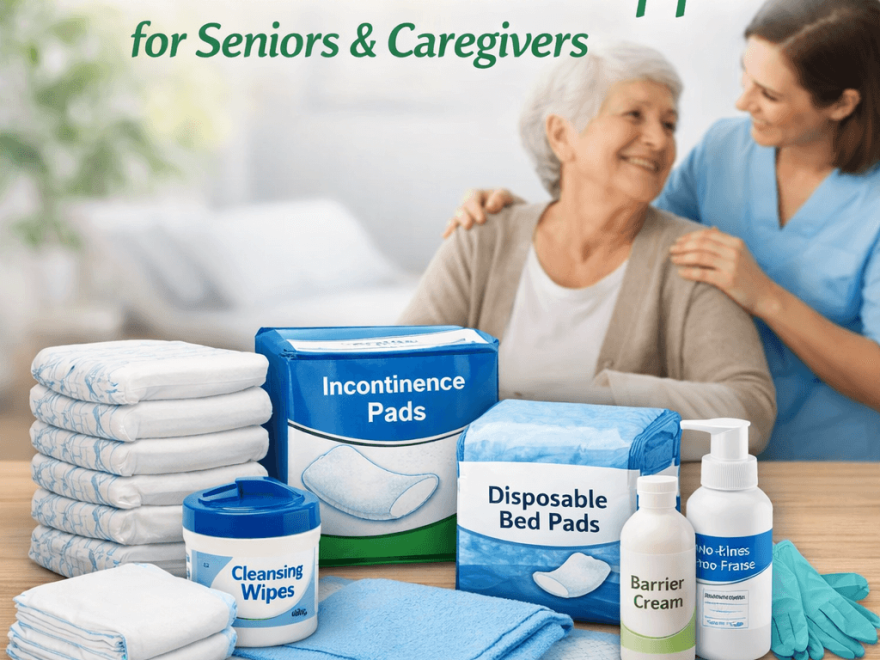
Finding the right incontinence supplies shouldn’t require a medical degree, but walking into a store can feel that way. Dozens of brands, different absorbency levels, various styles, and you need something that actually works.
For seniors and caregivers, choosing the best adult incontinence products means understanding what’s available and what matters for your specific situation.
How to understand product categories?
- Pads and liners work for light incontinence, occasional leaks when coughing or sneezing. Incontinence pads and briefs designed as liners are inserted into regular underwear. They’re discreet and affordable but don’t handle heavy leaks or bowel incontinence.
- Pull-up protective underwear looks like regular underwear with absorbent cores. Pull-ups work for moderate incontinence in independent individuals. They maintain dignity but require partial undressing for changes.
- Tabbed briefs offer maximum absorbency for urinary and bowel incontinence. Tabs allow caregiver changes without requiring standing. These are the best adult incontinence products for those with mobility limitations or needing maximum protection.
- Booster pads are thin inserts that extend wear time, particularly useful for overnight incontinence supplies. They must be used with another product.
How to match absorbency to actual needs?
Absorbency determines how much fluid a product holds before leaking. Using inadequate absorbency causes leaks and skin irritation. Overbuying wastes money.
- Light absorbency handles 6 to 8 ounces and is suitable for occasional small leaks or backup protection.
- Moderate absorbency manages 12 to 16 ounces and is appropriate for regular daytime incontinence requiring 3 to 4 changes daily.
- Heavy absorbency holds 20 to 25 ounces and is designed for significant leakage or extended wear between changes.
- Maximum absorbency contains 30+ ounces and is essential for overnight incontinence supplies or individuals requiring 8 to 12 hours of protection.
Start with absorbency matching the typical leak volume, then adjust based on actual performance.
Critical features for quality products
- Moisture-wicking top sheets pull liquid away from skin quickly, reducing irritation. Products with advanced wicking technology keep skin drier longer.
- Leak guards and leg cuffs create barriers preventing side leaks. These elastic barriers around leg openings significantly improve protection during movement or sleeping.
- Odor control technology neutralizes urine odor rather than masking it. Look for pH-balancing or activated carbon technology for effective odor management.
- Breathable materials allow air circulation while maintaining waterproof protection, reducing heat buildup and preventing rashes.
- Secure fastening systems matter for tabbed briefs. Quality tabs refasten multiple times without losing grip.
What are the best options for different situations?
- Active seniors with light Incontinence: Discreet pads or thin pull-ups allow normal activities without visible bulk.
- Moderate daytime protection: Mid-absorbency pull-ups provide 4-6 hours of protection for regular routines.
- Overnight use: Maximum absorbency tabbed briefs work best. Consider adding booster pads for 8+ hour sleep periods.
- Caregiver assistance: Tab-style briefs simplify changes and reduce physical strain. These caregiver incontinence supplies allow proper fitting without extensive movement.
- Heavy or bowel Incontinence: Maximum absorbency briefs designed specifically for complete incontinence.
What are the essential supporting Incontinence supplies?
Disposable underpads protect bedding and furniture. Buy both disposable and washable versions. Barrier creams prevent moisture damage. Apply during every change. Zinc oxide-based creams work effectively.
Cleansing wipes designed for adult incontinence clean better than baby wipes. These pH-balanced wipes are gentle on skin. Disposable gloves maintain hygiene. Use fresh gloves for each change. Odor eliminators neutralize disposal areas. Enzyme-based products work better than air fresheners.
How do caregivers deal with Incontinence?
Caregivers manage through consistent routines and preparation. Scheduled bathroom visits every 2 to 3 hours prevent accidents. Organized supply stations keep everything accessible. Install grab bars, use raised toilet seats, and clear pathways. Handle changes matter-of-factly to maintain dignity.
How to help an elderly person with Incontinence?
Ensure proper product selection without judgment. Many seniors use inadequate supplies due to embarrassment. Make bathrooms accessible, well-lit, and equipped with safety features. Consider bedside commodes for nighttime.
Encourage medical consultation. Some incontinence is treatable with medication or physical therapy. Maintain changing schedules every 3-4 hours to prevent skin breakdown.
How do I choose the right Incontinence product?
Start by identifying incontinence type and severity. Light, occasional leaks need different solutions than heavy, continuous incontinence. Bowel incontinence requires different products than purely urinary issues. Consider mobility and independence levels.
- Can the person dress themselves?
- Do they need caregiver assistance?
Physical capability determines whether pull-ups or tabbed briefs work better. Try before buying in bulk. Many companies offer sample packs. Test products for fit, comfort, and leak protection before committing to large purchases.
Medical Supply Group provides professional-grade options specifically designed for various incontinence levels. Evaluate based on performance, not price alone. Cheaper products requiring frequent changes often cost more than quality products lasting longer. Calculate the cost per day of adequate protection.
How to find the right balance?
The best adult incontinence products balance effectiveness, comfort, dignity, and cost. Successful management requires matching products to individual needs.
- Start with appropriate categories based on independence level.
- Select absorbency matching leak volume.
- Look for quality features like leak guards and moisture-wicking technology.
- Adjust as needs change. Incontinence often progresses, requiring periodic reassessment.
Wrap up
Choosing the right incontinence supplies makes daily life easier for seniors and caregivers. Focus on comfort, protection, and proper fit. Eldershoppe offers reliable, high quality options designed for real home care needs.
Explore the collection online and find products that truly work for your routine.
FAQs
What’s the difference between adult diapers and pull-ups?
Adult diapers, also called tabbed briefs, have adjustable side tabs and are ideal for caregiver changes or limited mobility. Pull-ups look like regular underwear and work best for independent individuals with moderate leakage.
How often should incontinence products be changed?
Change products as soon as they are wet or soiled to protect the skin and prevent irritation. For most people, this means every 3 to 4 hours, or sooner if heavily saturated.
What are the best incontinence products for overnight use?
Maximum absorbency tabbed briefs are best for overnight protection. Adding booster pads can provide extra security for 8 or more hours of sleep.
How do I compare different incontinence products?
Compare based on absorbency level, fit, leak guards, moisture-wicking layers, and overall comfort. Focus on performance and cost per day, not just the price per pack.
Should I buy incontinence products online or in stores?
Online shopping offers privacy, bulk savings, and wider product choices. In-store shopping allows you to see sizes and materials in person before purchasing.
What’s the best solution for nighttime incontinence?
Use high-absorbency briefs combined with underpads to protect bedding. Maintain a consistent bedtime bathroom routine to reduce overnight accidents.